When you set up a policy, the insurer asks how the car is used and how far it's driven each year. These answers feed directly into the premium, and they carry obligations.
Use classifications
- Pleasure: no regular commute; errands and occasional trips. Typically the lowest rate.
- Commute: regular driving to work or school. The distance often matters.
- Business: using the vehicle for work tasks, sales calls, site visits, carrying tools or goods. Higher risk, higher rate, and some personal policies exclude business use beyond a certain point.
- Commercial: vehicles used for hire, deliveries or rideshare typically need a commercial policy or a specific endorsement. Personal policies generally exclude driving for hire.
Mileage
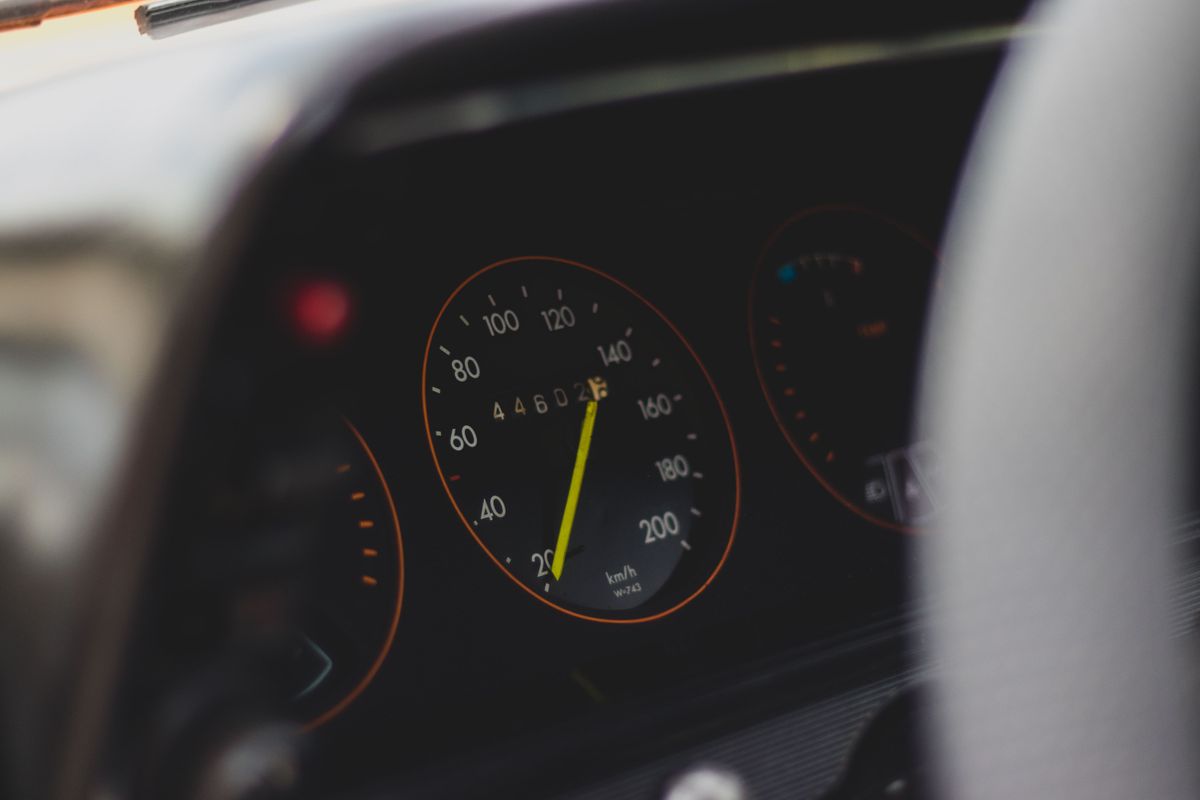
Annual mileage is a strong predictor of claims. Most insurers use bands (under 7,500, 7,500 to 10,000, and so on). If you've started working from home, moved closer to work, or retired, tell your insurer, the reclassification can lower your rate. Some insurers verify mileage at renewal through odometer readings or telematics.
Why accuracy matters
Misstating use or mileage can be treated as a material misrepresentation. In the worst case, a claim can be denied or a policy rescinded. If your situation changes mid-policy, update it.
Rideshare and delivery
If you drive for a rideshare or delivery app, say so. Many insurers offer a rideshare endorsement that fills the coverage gap while you're logged in and waiting for a request; without it, your personal policy may not respond.

Occasional business use
Driving to an off-site meeting now and then is usually fine under a personal policy. Regularly transporting clients, tools or products crosses into business use. When in doubt, ask.
Classifications and rules vary by insurer. This is general information, not insurance advice.
How to estimate your annual mileage
Most people guess their mileage, and plenty guess wrong. A better estimate takes a few minutes and gives the insurer something accurate to price.
- Find two odometer readings about a year apart. Oil change receipts, service invoices, state inspection records and previous renewal documents all work.
- Subtract the older reading from the newer one.
- If your routine changed during the year, track your odometer for a normal month and multiply by twelve.
- Add known extras: a planned road trip, a new weekend activity, a longer commute starting soon.
- Don't forget the other cars. Each vehicle on the policy has its own mileage figure.
Give the insurer a realistic number rather than the lowest one you can defend. Many insurers check odometer readings at renewal or pull them from service and inspection records, and a big gap between the estimate and reality may lead to a rate adjustment. Update your mileage whenever your routine changes, not just at renewal.
Pay-per-mile and usage-based options
If you drive much less than average, a traditional policy with mileage bands may not fully reflect it. Two alternatives are worth asking about.
Pay-per-mile insurance charges a monthly base rate plus a small amount for each mile driven, tracked by a device plugged into the car or through the car's connected services. It tends to suit people who work from home, retirees, city residents who take transit most days and households with a second car that rarely moves. It usually works against people with long commutes or frequent road trips.
Usage-based or telematics programs measure more than distance. They track habits such as hard braking, rapid acceleration, phone use and late-night driving, and adjust your price based on what they see. Depending on the program, the results can move your rate in either direction.
Before enrolling, ask what data is collected, how long it's kept and who can see it. Availability differs by insurer and state, so compare these quotes with standard ones.

A realistic example
Picture this: Tom used to drive to an office five days a week. Since he began working from home three days a week, he suspects his policy is out of date. He finds two oil change receipts from a year apart and works out that his mileage has dropped into a lower band.
He calls his insurer to update the commute details and annual mileage. While he's on the phone, he mentions he's started doing occasional weekend food deliveries through an app. The representative explains that his personal policy may not cover him while he's logged in and offers a delivery endorsement.
Tom adds the endorsement and gets the updated premium. Then he requests quotes elsewhere, including a pay-per-mile policy, with the same coverage. Because the delivery driving adds weekend miles, the pay-per-mile option doesn't come out ahead for him, so he stays with his reclassified policy.
Common questions
What happens if I drive more miles than I told my insurance company?
An honest estimate that turns out a bit low usually isn't a problem. If your actual mileage is well above what you reported, the insurer may adjust your premium at renewal once it sees updated odometer readings. The bigger risk is leaving a known change unreported, such as a new long commute. Update the policy when your driving changes so it reflects how you actually use the car.
Does driving to a train station count as commuting for car insurance?
Often, yes. Many insurers classify any regular drive toward work as commuting, even if you finish the trip on a train or bus. The good news is that the distance is usually short, and some insurers price a short commute close to pleasure use. Ask how your insurer handles it, give them the actual one-way miles and don't guess at the classification yourself.
Is it cheaper to insure a car I only drive on weekends?
It can be. A car used only for errands and weekend trips may qualify for pleasure use and a low mileage band, and some insurers offer low-mileage discounts. Pay-per-mile coverage may also fit. You'll generally still need your state's required liability coverage for as long as the car is registered, even if it sits in the driveway most of the week.
Look up your last two odometer readings before your next renewal, and update your mileage if it's changed.