Winter crashes are frequent, and they're usually single-vehicle: a slide into a curb, a spin into a ditch, a low-speed collision at an icy intersection. Understanding which coverage responds helps, but avoiding the claim is better.
Which coverage applies
- Sliding into another car, a guardrail or a ditch: collision.
- Damage from a fallen tree limb, ice from a roof, or hitting a deer: comprehensive.
- Someone slides into you: their liability coverage, or your collision if they're uninsured or fault is disputed.
- Injuries: PIP or MedPay, then liability or UM as appropriate.
Weather is not an excuse for fault. A driver who loses control on ice is generally considered at fault for failing to adjust to conditions.
Winter habits that reduce claims
- Winter tires where snow and ice are routine. All-season tires lose grip well above freezing.
- Slow down and double following distance. Most winter crashes are simply too fast for conditions.
- Clear all windows, mirrors and lights, and the roof, flying roof snow causes crashes and is ticketable in some states.
- Keep the tank above half and an emergency kit in the trunk: blanket, flashlight, scraper, small shovel, sand or litter, phone charger.
- Know how your car's anti-lock brakes and stability control feel before you need them.
Parking and storage
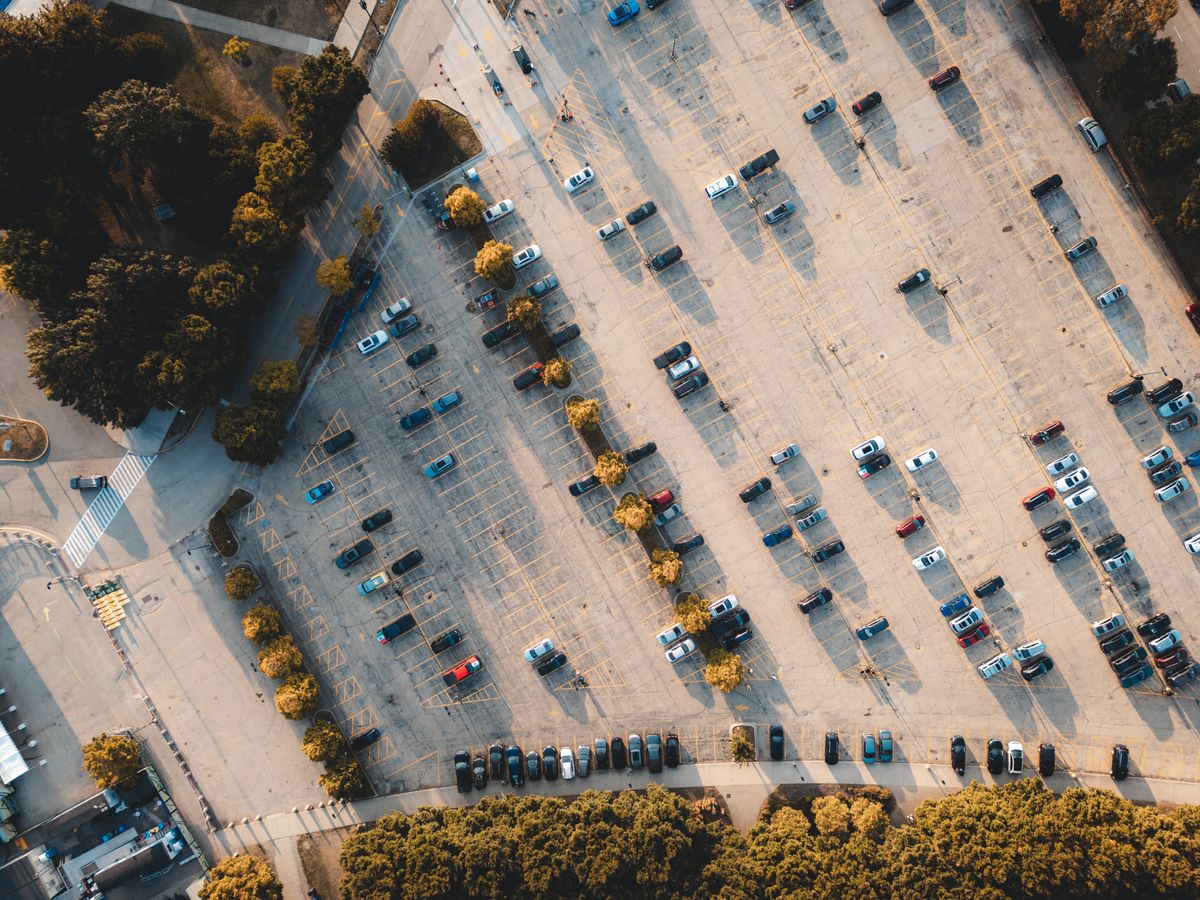
If you store a vehicle for the winter, ask about reducing coverage to comprehensive only rather than canceling. Canceling creates a lapse that raises future rates and leaves the car unprotected from theft, fire and falling objects.
Roadside assistance
Winter is when towing coverage earns its keep. Check whether your policy includes it and what the limits are.
Coverage terms and fault rules vary by state and policy. This is general information, not insurance advice.
After a slide-off or a winter fender bender
Winter crashes often happen at low speed, which tempts people to skip steps. The basics still apply, with a few cold-weather additions.
- Turn on your hazard lights. If the car is drivable, move it out of traffic; if it isn't and you're on a busy road, staying buckled inside is often safer than standing beside it.
- Call the police if anyone is hurt, if the other driver won't cooperate or if your state requires a report for the damage involved.
- Photograph the road surface, snowbanks, signs and weather along with the cars. Ice melts, and the scene changes fast.
- Exchange information even if the damage looks trivial. Cold plastic bumpers can crack on the inside while looking fine outside.
- Keep towing and winch-out receipts. Roadside coverage may reimburse them.
A slide into a snowbank can also damage parts you can't see, like the alignment, suspension or undercarriage. If the car pulls to one side, vibrates or makes new noises afterward, have it inspected before deciding whether to file a claim.
Winter mistakes that can complicate a claim
Some cold-weather habits create coverage problems you might not expect.
Leaving the car running unattended to warm it up is one. A running car with the keys inside is an easy target for thieves, and some cities and states have rules against leaving an idling car unattended. Comprehensive usually still covers the theft, but you'll pay the deductible, and your insurer may look closely at the circumstances.
Another is driving a car that's stored with comprehensive-only coverage. That setup is fine while the car sits in the garage, but it has no liability or collision coverage. Taking it out just once on a mild winter day leaves you personally exposed if something happens.
Waiting to report is a third. A small slide into a curb may not seem worth a call, but if damage shows up weeks later, the delay can make it harder to connect the damage to the incident.
Finally, driving with snow-covered windows or bald tires can support a finding that you failed to adjust to conditions, which matters when fault is being decided.
A realistic example
Consider a hypothetical: Erin is creeping through an icy intersection when her car slides and taps the back of a pickup. Nobody is hurt. She turns on her hazards, and both drivers pull into a nearby lot.
The pickup has no visible damage, and the other driver suggests they just forget about it. Erin still takes photos of both vehicles and the glazed road, exchanges insurance details and writes down the time. That night she reports the incident to her insurer, noting the pickup looked undamaged.
A week later, her front bumper sags on one side and a fog light hangs loose. The shop finds a broken bumper bracket and cracked mounting tabs. Because she'd already reported the incident and had photos, the collision claim moves ahead without questions about when the damage happened. The insurer treats the slide as her fault, since ice doesn't excuse losing control, and she pays her collision deductible.
Common questions
Does car insurance cover pothole damage?
Usually under collision coverage, since hitting a pothole is treated as a collision with an object. You'll pay your deductible, and some insurers may consider a pothole claim at-fault. In some places you can also file a claim with the city, county or state agency that maintains the road, but those claims often have short deadlines and strict notice rules. Keep photos and repair receipts either way.
Do I need winter tires for my insurance to cover me?
No. Insurers don't generally require winter tires, and your coverage doesn't disappear if you use all-seasons. Some insurers offer a small discount for winter tires, and some mountain roads have chain or traction laws during storms. Worn tires are a different matter. Driving on bald tread in snow can be used as evidence that you didn't adjust to conditions.
Who pays if my car slides on ice into a parked car?
Generally you do, through your insurance. Damage to the parked car is paid by your property damage liability coverage, and damage to your own car falls under collision, if you carry it. Icy roads don't usually shift fault to anyone else. Leave a note with your contact and insurance details, and report it to police if your state requires it.
Save your insurer's claims and roadside numbers in your phone now, so a slide-off doesn't turn into a hunt for paperwork in the cold.