Electric vehicles are now common enough that every major insurer covers them, but pricing can differ from a comparable gasoline car. Understanding why helps you compare quotes and ask the right questions.
Why EV premiums can run higher
- Battery packs are the single most expensive component, and even moderate damage can lead to a total loss if the pack is compromised.
- Repairs often require certified technicians and manufacturer-specific parts, limiting shop options and raising costs.
- Some EVs are heavy and quick, which affects both collision severity and how insurers rate performance.
- Claims data is still maturing for newer models, so some insurers price conservatively.
Where EVs can be cheaper
- Lower theft rates for many models
- Strong safety ratings and standard driver-assistance features
- Some insurers and states offer green-vehicle discounts
Questions to ask each partner
- Do you have EV-certified repair shops in my area, and can I choose my own?
- Is home charging equipment covered under my auto or my homeowners policy?
- How is battery damage evaluated, repair, module replacement, or total loss?
- Is there coverage for a damaged charging cable or wall unit?
- Does roadside assistance include towing to a charger or flatbed towing (many EVs can't be towed with wheels down)?
Home charger and the homeowners policy
A wall-mounted charger is usually part of the home for insurance purposes, but coverage for surges and electrical damage varies. Mention it when reviewing homeowners or renters coverage.

Total loss values
EV resale values have been volatile. Understand how the insurer will determine actual cash value, and consider gap coverage if you financed.
EV insurance practices are changing quickly; compare current quotes rather than relying on last year's assumptions. This is general information, not insurance advice.
After a collision: what's different with an EV
Even a crash that looks minor can be more involved with an electric vehicle, because the battery pack usually sits under the floor where damage is hard to see. A few steps help protect you and keep the claim on track.
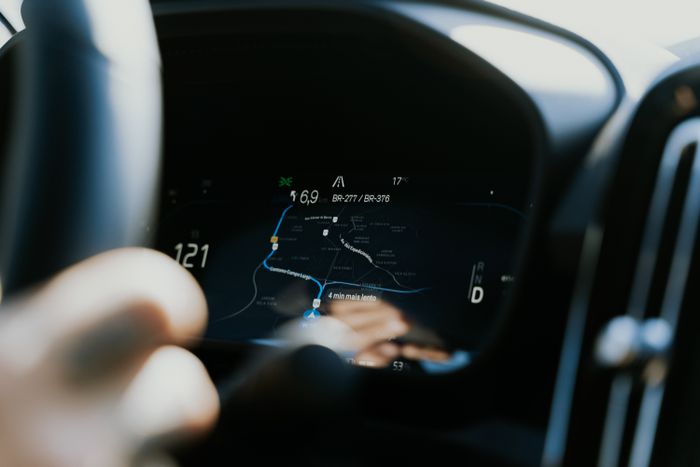
- Don't keep driving if the dashboard shows a battery or high-voltage fault. Pull over safely and call for help.
- Request a flatbed tow, and tell the tow company it's an EV.
- Tell the adjuster about any impact to the underside, including curbs and road debris, even if nothing looks wrong.
- Ask whether the insurer wants the car taken to a manufacturer-certified shop for a battery inspection.
- Expect storage lots to keep a damaged EV apart from other vehicles as a precaution against battery fires.
Repairs can take longer when parts or certified technicians are scarce. That makes your rental reimbursement limits worth checking now, not after a crash. A limit that works fine for a gas car repaired in a week may run out before a backordered EV part arrives.
What insurance doesn't cover: battery wear and breakdowns
Auto insurance pays for sudden, accidental damage: a collision, a flood, a fallen tree, a theft. It doesn't pay for gradual wear, and that includes a battery slowly losing capacity as it ages.
Battery degradation and defects are usually the manufacturer's responsibility, under a separate battery warranty that often runs longer than the basic vehicle warranty. These warranties typically cover capacity loss below a stated level for a set number of years or miles. The exact terms depend on the manufacturer, so read yours and keep the paperwork.
Once the warranty runs out, a failed battery is an owner expense, and it can be a large one. Some insurers sell mechanical breakdown coverage as an add-on, and extended service contracts are sold separately. Check what each one excludes, since some leave out the battery or cap what they'll pay toward it.
If you're buying a used EV, ask how much time is left on the battery warranty and whether it transfers to a new owner.
A realistic example
Consider a hypothetical: Nora's EV clips a chunk of debris on the highway. There's a loud thump but no visible damage, and she keeps driving. A few miles later, a battery warning appears on the screen. She pulls over, turns the car off and calls roadside assistance, asking specifically for a flatbed.
She reports the claim that evening and tells the adjuster exactly what happened, including the debris. The car goes to a certified shop, where an inspection finds a damaged battery enclosure. The adjuster and the shop then weigh the options: repair the enclosure, replace affected modules or treat the car as a total loss.
Parts are backordered, and the repair runs well past a month. When she bought the car, Nora had raised her rental reimbursement limit after reading that EV repairs can take longer, so the rental is covered for most of that time. She keeps the inspection report with her claim records.
Common questions
Do electric cars need a special type of car insurance?
No. EVs are insured with the same standard coverages as any other car: liability, collision, comprehensive and whatever else your state requires. The differences are in pricing and in the details, such as how the insurer handles battery damage, which shops it works with and how it treats charging equipment. Some insurers offer EV-specific endorsements, so ask what's available.
Is damage to my car at a public charging station covered?
Usually, if you have the right coverage. Vandalism or a falling object at a charging station would generally fall under comprehensive, and backing into a charging post would be collision. If a faulty charger damages your car, your insurer may pay the claim and then pursue the station operator. Photograph the station, note its ID number and report the problem to the operator.
Should I raise my deductible to offset a higher EV premium?
It's one way to lower the premium, but think about what you could comfortably pay on short notice. EV repairs can be expensive, so almost any claim is likely to exceed your deductible, which means you'd probably pay the full amount. If the car is financed or leased, check the lender's maximum allowed deductible before you change anything.
Before you buy an EV, check that your rental reimbursement limit could cover a repair that takes several weeks.